June 17, 2026 / 3 min read
How to Promote Music in the USA: A Market by Market Guide for Artists
The US is not one market. Here is how to pick cities, test audiences, and build a campaign that compounds across states.
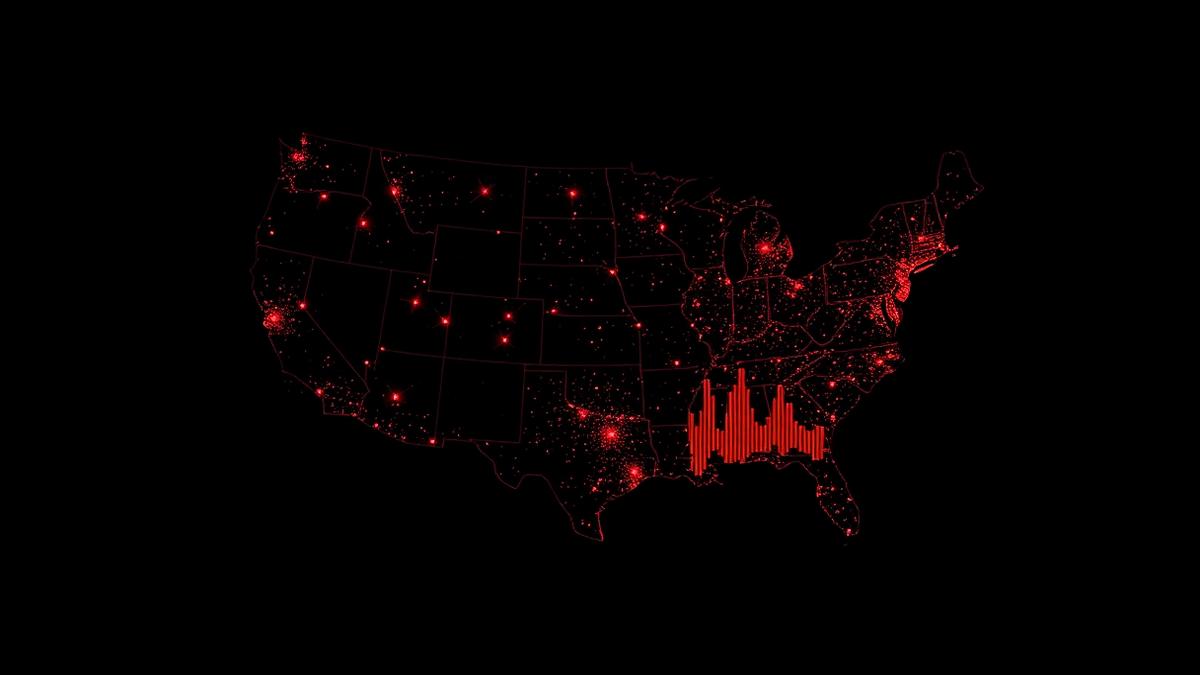
The United States is the largest music market in the world and the most expensive place to be vague. Running one national campaign at one budget is the fastest way to learn nothing.
This guide breaks down how to promote music in the USA using market level testing.
Treat the US as a Set of Markets
A dance record can perform in Miami and stall in Nashville. A rap record can build in Atlanta and Houston before New York moves. Country works in a completely different geography again.
Start by splitting your paid campaigns by metro area. Common starting clusters:
- Los Angeles, San Diego, Phoenix
- New York, Newark, Philadelphia, Boston
- Atlanta, Charlotte, Nashville
- Chicago, Detroit, Minneapolis
- Miami, Orlando, Tampa
- Dallas, Houston, Austin
Let cost per click out and save rate decide where the budget concentrates.
Use Existing Data Before You Spend
Before launching, read what you already have:
- Spotify for Artists city data for the last 90 days
- Apple Music for Artists shazams by city
- Instagram and TikTok audience geography
- Any prior ad account data by state
If a city already over indexes, it is cheaper to grow than to create.
Build for the US Listener Journey
American listeners discover on short form video, verify on streaming, and commit through repeat listening and live events. Your campaign should mirror that:
- Short form creative that survives three seconds
- A landing page with your pixel that routes to Spotify, Apple Music or YouTube
- Retargeting for people who clicked but did not save
- Follow up around tour dates and new releases in the strongest metros
Timing and Seasonality
Ad costs in the US spike hard in Q4 as retail bids climb. Plan bigger pushes for January through October when possible, and expect higher costs per result in November and December.
Release day matters less than the 28 days after it. The first 72 hours set the algorithmic baseline, the following weeks decide whether it holds.
Radio, Press and Sync Still Matter
Paid social gets the listener there. In the US, three other channels compound it:
- College and specialty radio for credibility in specific genres
- Independent press and newsletters that reach real niches
- Sync placements, which remain one of the strongest discovery drivers in the country
None of these replace performance marketing. They make it cheaper by raising trust.
Live Is the Conversion Layer
Streaming data should inform routing. If a city produces high repeat listener rates, that is where a show sells. Then use retargeting in that metro to fill the room, and use the show to create content that feeds the next campaign.
Measuring Success in the US
Track by market, not in aggregate:
- Cost per click out by metro
- Save rate by metro
- Repeat listener rate at 28 days
- Follower growth per dollar
Aggregate numbers hide the cities that are actually working.
Frequently Asked Questions
What is the best way to promote music in the USA?
Market by market paid testing routed through a landing page you control, backed by real listener data.
Which US cities should an artist target first?
The ones where your existing streaming and social data already over index, then adjacent metros in the same cluster.
Is US promotion more expensive than other countries?
Usually yes on a cost per click basis, but the revenue per listener and the label attention are also higher.
How long should a US campaign run?
Long enough to gather stable data, typically several weeks with iteration rather than a single release week burst.
Want this run on your release?
We take on a limited number of artists and labels, and we read every application ourselves.
Apply to Work With Us